Skip to content

Software madeto measure.

Armature is a software studio in London. We design and build custom software for businesses that have outgrown spreadsheets, workarounds and tools that almost fit.

A line drawing of a gable frame: the two chevrons of the Armature mark, joined by the structure that holds them.

Products

Three products, each built around one job.

More are in development. If you need something close to one of them, we start from what already works and fit it to you, which is quicker and costs less than starting from nothing.

Quartermaster

Customer orders, read and entered in Sage.

Live sampleSouthside Hygiene Supplies (sample)

An example with sample data: a customer's order arrives by email. Each line is matched to the firm's product code and that customer's price, every line turns green, and the order waits for a person to approve it.

4½ minutesdown to 40 secondsAn order, typed in by hand against checked and approved. Estimated from the demo’s sample orders.

Reads the orders your customers send by email, PDF, WhatsApp and photo, matches every line to your codes and prices, and puts them in Sage or Xero once a person approves.

  • Orders read from email, PDF, WhatsApp and photos of handwritten lists
  • Every line matched to your code, your unit and that customer’s price
  • Prices below cost, odd quantities, discontinued lines and short stock flagged
  • Nothing goes out until a person on your team approves it
  • Into Sage, Xero or QuickBooks, or a monthly spreadsheet for your bookkeeper
  • Customers sent a confirmation with their lines and delivery day
Surveyor

An online estimate before the design visit.

Live sampleAlder & Finch Joinery (sample)

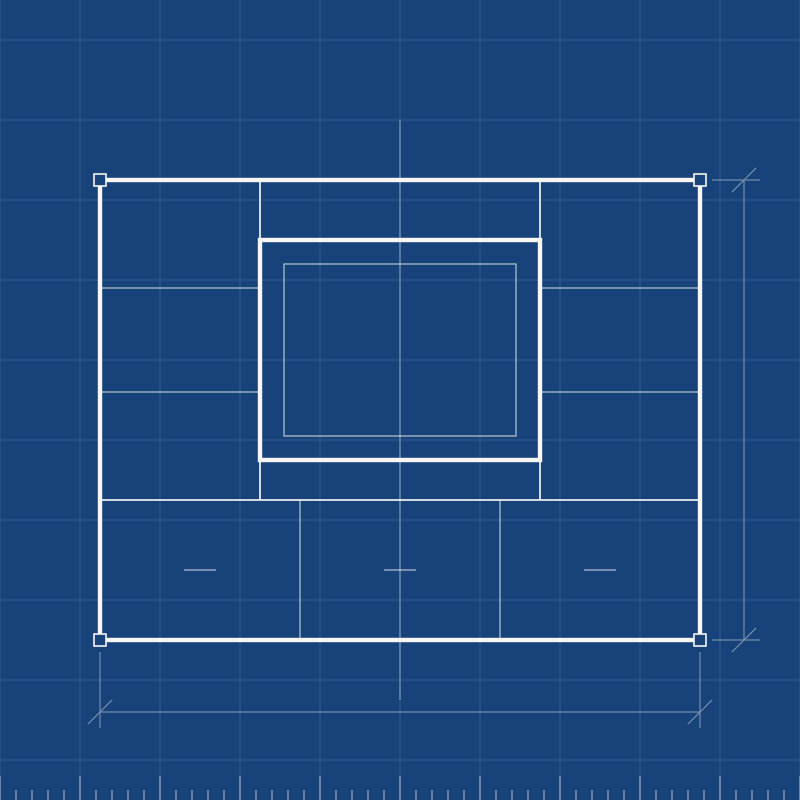
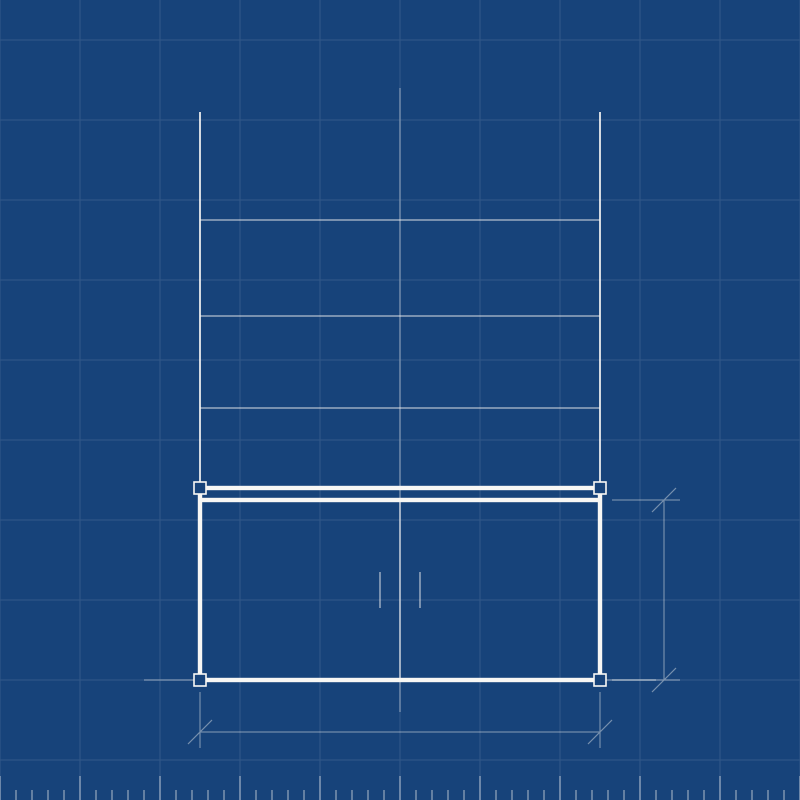
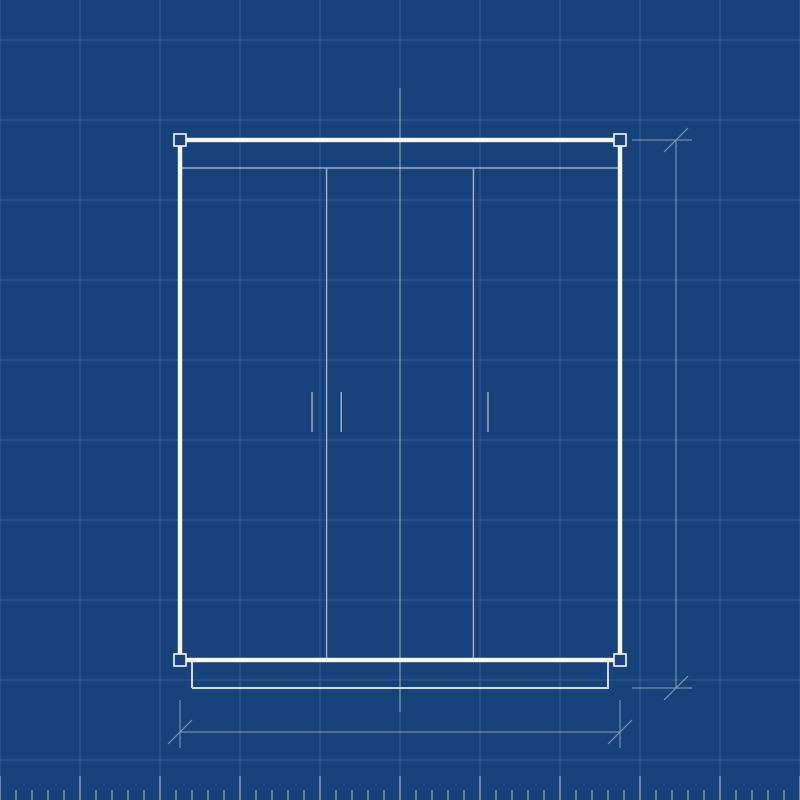
An example with a sample firm's prices: a homeowner chooses fitted wardrobes, 3.2 m, up to 2.8 m, painted, 2 internal drawers. The estimator shows £6,100 to £7,150, including VAT, and they book a design visit for Thu 11:30, paying £90.

A free visit, then a pricebecomes A price first, then a paid visitThe range comes from your own price table, VAT included, before anyone drives anywhere.

An estimator on your website, priced from your own price table. Homeowners see a fair range for wardrobes, alcove units or a media wall, then book and pay for a design visit.

  • An estimator on your website, priced from your own table
  • A fair range with VAT included; nobody sees the table itself
  • Design visits booked in your free slots, with a small fee taken off the order
  • Each enquiry with its spec, the estimate and the visit
  • A drafted follow-up for anyone who priced a job but didn’t book
  • Your table checked against your past quotes

Glazier

Cut-to-size prices and payment online.

Live sampleFerrand Glass & Acrylic (sample)

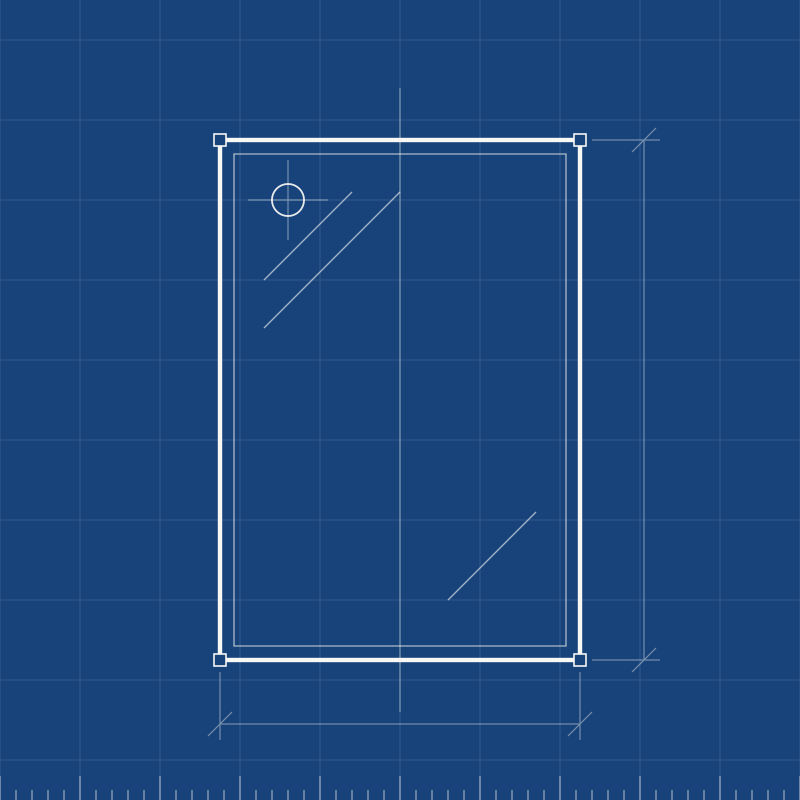
An example with a sample counter's prices: a customer orders clear glass, 4 mm, 1000 × 600 mm, Polished, ×2. The price is £83.52 including VAT (£69.60 before VAT). They pay online: ready tomorrow · paid · collect.

A phone call for a pricebecomes An exact price, paid onlineWorked out from your own price list, VAT included, to the penny.

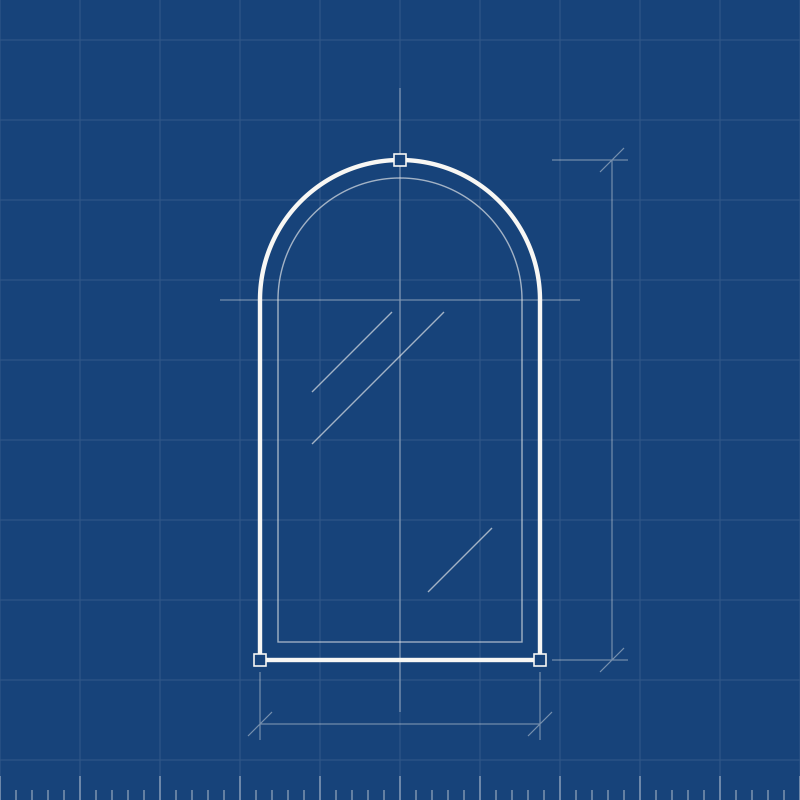
Exact prices for glass, mirror and acrylic cut to size, on your website, from your own price list. Customers order and pay; you get a cutting list instead of a phone call.

  • Exact prices for glass, mirror and acrylic cut to size, VAT included
  • Edges, holes and toughening priced from your own list
  • A ready date on every order
  • Customers pay online, then collect or have it delivered
  • A cutting list grouped by sheet, with toughened pieces listed apart
  • Your list checked against your past quote emails

Approach

Nothingoff theshelf.

A small dark bronze cast of a seated figure deep in thought, chin resting on one hand, against a blurred red background.

An armature is the frame inside a sculpture. Nobody sees it, and everything rests on it. That’s the kind of software we build: shaped to your business, quietly holding it up.

We start with how your people already work and build the software to fit, so the team doesn’t have to change for it.

Before we suggest anything, we spend time where the work happens: the counter, the office, the warehouse. The software follows your steps, uses your words and fits around the tools you already have, so nobody has to change how they work to suit it.

You’ll know what we’re building, why, and what it will take, in everyday words, before any code gets written.

Every piece of work starts with a short written plan in everyday words: what we’ll build, what we’ll leave alone, the price and how long it should take. If something changes along the way, we tell you straight away and agree it with you before carrying on.

Everything is documented and handed over in full. If we vanished tomorrow, you’d still own and understand all of it.

The code, the documentation and the accounts end up in your name, not ours. We build with common, widely used tools, so another developer could pick the work up after us. You’re never locked in, and you never pay to get your own work back.

What we do

  • Know what’s worth building before you pay for it. A clear look at what you have and what you need; sometimes the answer is nothing new.

    What it includes

    • A visit or a call to see how the work is done today
    • A look at the systems and spreadsheets you already use
    • A short written view: what to build, what to buy, what to leave alone
    • An honest estimate of cost and time, if building is worth it

    How it works with us

    The first visit or call is free. Anything after it is priced in writing before we start.

    For example

    A team weighing up three off-the-shelf tools, unsure whether any of them fits the way it works.

    Start a brief
  • The tool your team keeps wishing for: web apps, internal tools and customer portals, built around your process and working in weeks.

    What it includes

    • Web apps, internal tools and customer portals
    • Built around the steps your team already follows
    • Works on the phones and computers you already have
    • A working version to try every week while it’s built

    How it works with us

    A written plan and a fixed price, agreed before any code is written.

    For example

    Jobs tracked across a whiteboard, a spreadsheet and three inboxes, brought into one place.

    Start a brief
  • No more copying between tabs. The systems you already pay for talk to each other, and the repetitive work runs by itself.

    What it includes

    • Connecting the systems you already pay for
    • Moving information between them without retyping
    • Regular jobs that run by themselves: reports, reminders, exports
    • Anything unusual flagged for a person to check

    How it works with us

    Your systems stay where they are. We connect them rather than replace them.

    For example

    Web orders copied by hand into the accounts package, line by line, every morning.

    Start a brief
  • After launch we stay: fixes, improvements, and a person who picks up when you call.

    What it includes

    • Fixes, and small changes as your business changes
    • Updates kept current, so nothing quietly goes out of date
    • Someone keeping an eye on it, so problems are caught early
    • Help for your team when something isn’t clear

    How it works with us

    We stay on after hand-over for as long as we’re useful, on terms agreed in writing.

    For example

    A tool that works well, but nobody in-house has the time to look after it.

    Start a brief

How it goes

Every project follows the same four steps, from the first conversation to handover.

Looking up at the layered white plaster gable of a traditional Japanese storehouse, cut by dark roof lines against a deep blue sky.
  1. Listen

    We sit with the people who do the work, watch, and ask questions. Most of what matters never makes it into a brief.

    You get A free visit or call.

    • We visit or call, and watch the work being done.
    • We talk to the people who do it, not only the people who manage it.
    • You hear our honest first thoughts, even if the answer is that you need nothing new.
  2. Plan

    A short written plan of what we’d build, what we’d leave alone and what it will take, agreed before any code is written.

    You get The plan and a fixed price, in writing.

    • We write down what we’d build, and what we’d leave alone.
    • You read it, ask questions and change it until it’s right.
    • Nothing is built until you’ve agreed the plan and the price.
  3. Build

    You see working software early and often, and steer it as it takes shape, so nothing is a surprise at the end.

    You get A working version to try every week.

    • We build in small steps, and you try each one as it lands.
    • You tell us what’s wrong while it’s still cheap to change.
    • Your team tries it on real work before it’s finished.
  4. Hand over

    Code, documentation and accounts are yours. We stay on for as long as we’re useful.

    You get The code, the documentation and the accounts, in your name.

    • Everything moves into accounts in your name.
    • Your team gets the documentation and a walk-through.
    • If you want us to, we stay on for fixes and changes.

Start

Tell us whatdoesn’t fit.

Start a brief, or send us a message

Something custom in mind?

A few quick questions, about two minutes, and you can skip any you like.

Or start with what’s in the way

Tell us about the process that has outgrown its spreadsheet, or the two systems that won’t talk to each other, and we’ll reply with our honest first thoughts.

We use these details only to reply to you. See our privacy notice.